
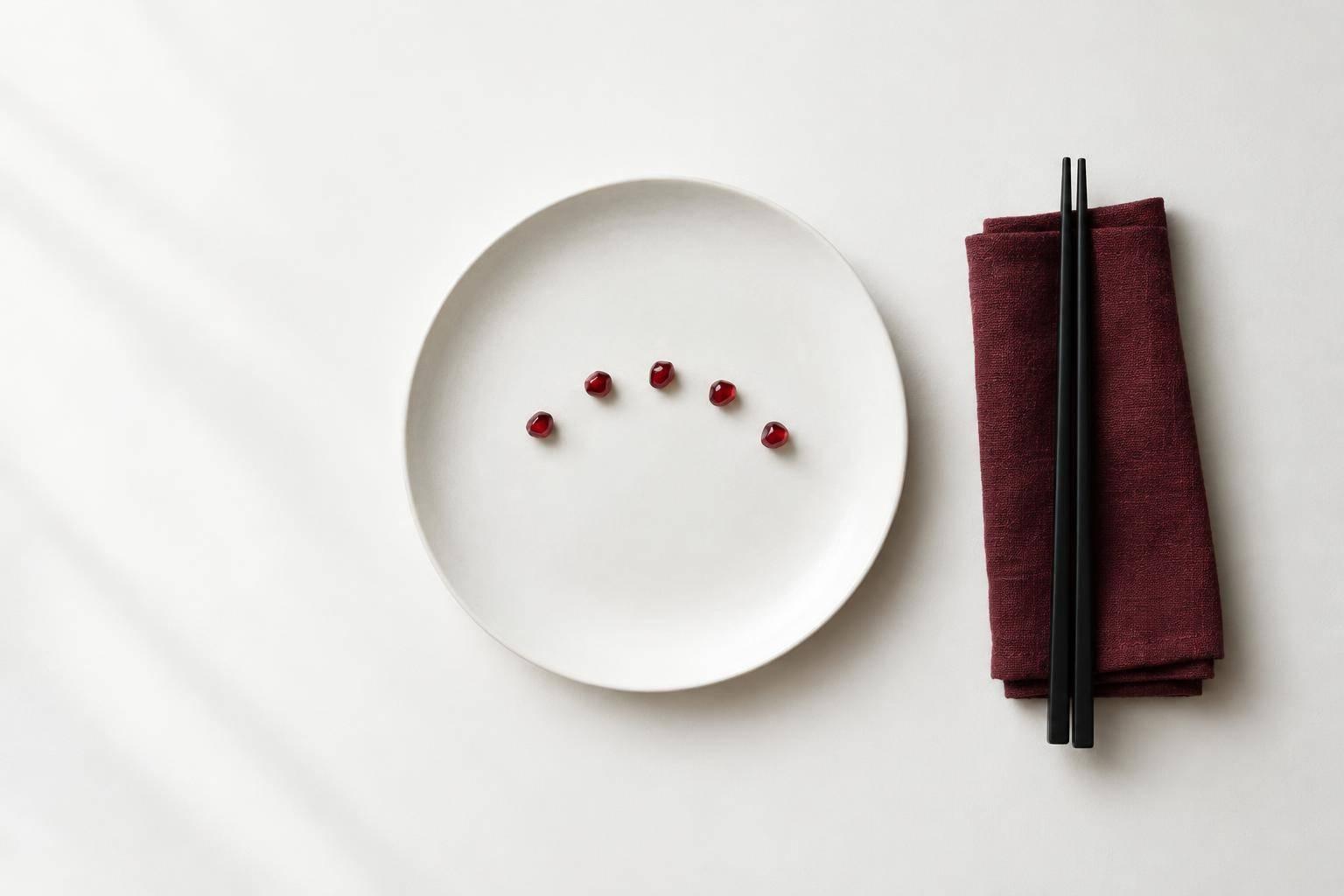
5 Meal Reflections from Dhammapada Verses
Five brief meal cues—craving, moderation, gratitude, attention, calm—based on Dhammapada themes to bring mindfulness to eating.
Before my next meal, I can take one breath and choose one focus: craving, moderation, gratitude, attention, or calm.
These five reflections turn Dhammapada themes into small steps I can try:
- Craving: Pause before acting on an urge.
- Moderation: Eat enough to feel nourished.
- Gratitude: Remember the people and resources behind my food.
- Attention: Notice one bite without judging a wandering mind.
- Calm: Take three natural breaths before eating.
These are modern reflections, not direct quotations or formal Buddhist prayers. I use them as <u>cues, not rules</u> - with room for hunger, changing needs, and guidance from my clinician or dietitian.
How to Bring Mindfulness into Eating with Yongey Mingyur Rinpoche
How to Use a Meal Reflection
Choose one reflection that fits the moment. Read it once before eating, or recall it between bites, then return to your meal. Keep it small: carry just one thought into your next bite. Start with craving.
1. Craving: Pause Before Taking More
Theme and Verse
Dhammapada verse 334 compares unchecked craving to a creeping vine. It’s a reminder to notice an urge before acting on it.
Meal Reflection
“I can notice this urge, pause, and choose what nourishes me.”
When to Practice
Before eating, halfway through a meal, or before seconds, put down your fork and take one breath. Give yourself 30 seconds to check your hunger and satisfaction. Is hunger, habit, stress, or desire behind the urge?
Eating Without Judgment
Hunger is normal, not a failure. If you’re still hungry, it’s okay to eat more. Describe the action without judging yourself as good or bad:
Another serving or a rushed bite.
If you still want more, the next reflection asks how much is enough.
2. Moderation: Eat Enough to Feel Nourished
Theme and Verse
Moderation means paying attention to nourishment, not restricting food. After noticing a craving, the next step is to eat enough, with awareness - not simply to eat less.
Before your first bite, use this reflection:
Meal Reflection
“May I eat enough to be nourished, listening as my needs become clear.”
Return to it for a brief check-in during your meal.
When to Practice
Start with a reasonable portion and eat slowly. Pause halfway through to notice your hunger and comfort. Ask:
“Am I still hungry, comfortably satisfied, or becoming overly full?”
If you’re still hungry, keep eating. If you’re comfortably satisfied, you can stop. Let the check-in guide your next choice.
Eating Without Judgment
Your needs change with activity, health, stress, and medication. Feeling comfortable matters more than finishing a set amount.
If you follow a meal plan or your hunger cues are unclear, follow professional guidance rather than using this reflection as your rule.
3. Gratitude: Remember What Made This Meal Possible
Theme and Verse
Dhammapada verse 204 calls contentment the greatest wealth. This theme invites a brief pause to appreciate your food before eating.
Meal Reflection
I appreciate the people, land, water, and labor behind this meal.
When to Practice
Before your first bite, pause for 10–20 seconds. Look at your food, take one breath, and name two or three contributors to the meal. Then say the reflection and begin with one attentive bite.
Try this at one meal each day, especially when you’re rushed or distracted. Keep it simple: appreciation, not guilt.
4. Attention: Focus on One Bite
Theme and Verse
Dhammapada verse 21 contrasts heedfulness with heedlessness. It links careful awareness to awakening and heedlessness to decline.
At the table, this means paying attention to one bite at a time.
Meal Reflection
For this bite, I will return to what is here.
When to Practice
Before your first bite, notice the food’s color, shape, and aroma. Notice its taste as you take that bite, then set down your utensil. If your attention drifts, notice it and return without criticizing yourself.
One gentle return is enough; you don’t need perfect focus.
5. Calm: Take 3 Breaths Before Eating
After one-bite attention, this reflection helps you slow the pace.
Theme and Verse
Dhammapada Verse 96 describes peace in mind, speech, and action. Let that image guide the start of your meal gently. You don’t need to feel perfectly calm.
A calmer start can help you notice your meal as you eat.
Meal Reflection
May this meal nourish my body and support a steady mind.
When to Practice
Try this when your mind feels busy or you’re rushing into a meal. Sit or stand comfortably, relax your shoulders, and take three unhurried breaths. Breathe naturally, then silently repeat the reflection once before eating.
Eat at a comfortable pace. Chew with ease and pause when you need to.
Eating Without Judgment
If screens or planning draw your attention away, set your phone aside if practical and return to your next breath. Conversation is fine, too. Listen, speak, and eat naturally. Rushing or skipping the pause doesn’t make the meal good or bad.
Conclusion: Try 1 Reflection at Your Next Meal
These five reflections offer a moment of awareness before eating - a pause between impulse and action. The aim isn’t to control every thought or eat perfectly.
At your next meal, choose one sentence, such as:
I can eat enough to feel nourished.
Treat it as a cue, not a rule. That small choice is the point. Kind eating means listening to hunger, honoring satisfaction, and allowing yourself enough food. Take one breath, then notice what changes.
These reflections are contemplative practices, not medical advice. People with diabetes, eating disorders, pregnancy-related nutrition needs, food allergies, or other conditions should follow guidance from a qualified clinician or registered dietitian.
FAQs
Can I use these reflections without being Buddhist?
Yes. These prompts draw on the Dhammapada and invite quiet reflection. They encourage attention, moderation, gratitude, and calm during meals. You don’t need to identify as Buddhist to use them.
Read a verse, consider how its message applies before, during, and after eating, and use it as a personal mindfulness practice.
How can I practice without overthinking my eating?
Start with a simple pause - not a full mental review. Before or during a meal, read a verse and take a few breaths. Keep the verse gently in mind as you chew slowly, paying attention to taste and texture.
If your thoughts start to spiral, silently label them “craving” or “stress,” then return to your breath or the verse. Aim for practice, not perfection. Each time you notice your thoughts, you’re practicing.
How can I adapt these reflections for shared meals?
Make mealtime reflections a shared practice of mindfulness and gratitude. Before eating, invite everyone to pause quietly and recognize the people and effort behind the meal. Take a moment to appreciate the food as a shared gift.
During the meal, encourage everyone to eat slowly and pay attention to each bite. To guide the conversation, share a brief reflection or a Dhammapada verse from the Sutta 423 app that fits the day’s theme.